
What are the advantages and disadvantages of a Chromebook?
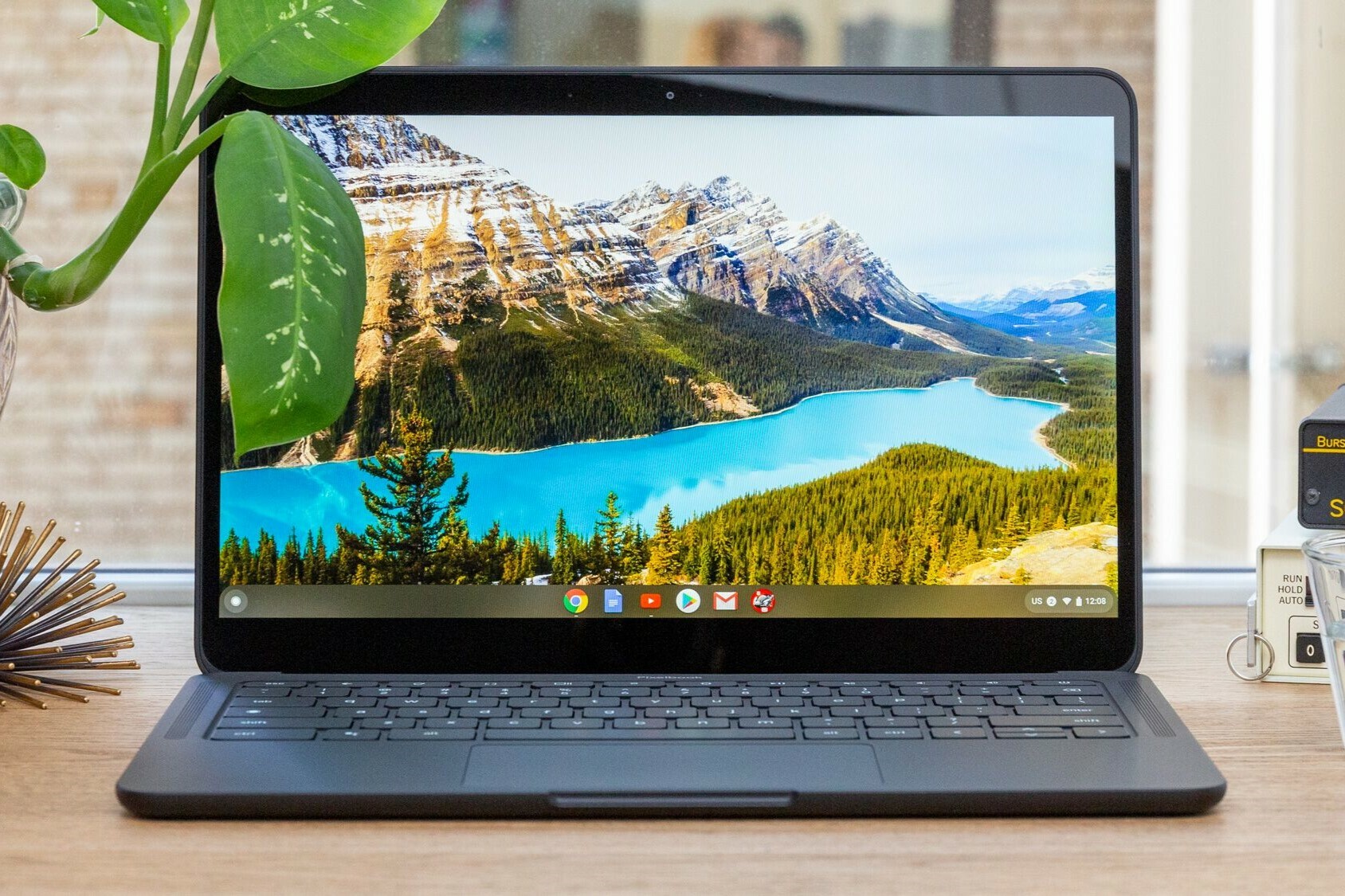
What is a Chromebook?
A Chromebook is a type of laptop that runs on Google's Chrome OS instead of traditional operating systems like Windows or macOS. Chromebooks are designed with simplicity, speed, and security in mind. They are primarily intended for internet use and cloud-based applications and come with built-in Google apps such as Gmail, Google Drive, and Google Docs. Due to their lightweight operating system and focus on web-based software, Chromebooks are often cheaper and have longer battery life compared to traditional laptops.
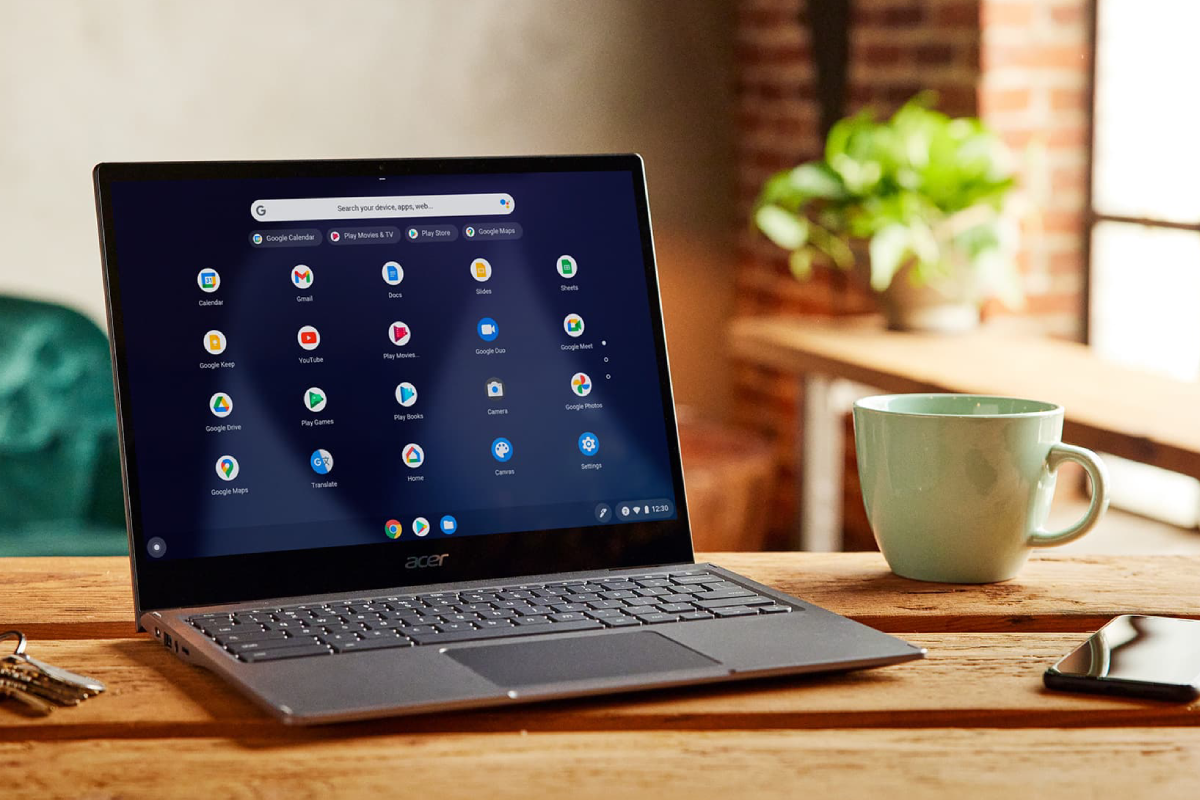
The advantages of a Chromebook
One of the biggest advantages of a Chromebook is the price. Chromebooks are usually cheaper than traditional laptops, making them an attractive option for students and budget-conscious consumers. They boot up quickly and have long battery life, often up to 10 hours or more. Chromebooks are also very secure, with regular automatic updates and built-in virus protection. Integration with Google Drive means you can easily store your files in the cloud and access them from any device. Furthermore, they are lightweight and portable, perfect for use on the go.
Chromebooks
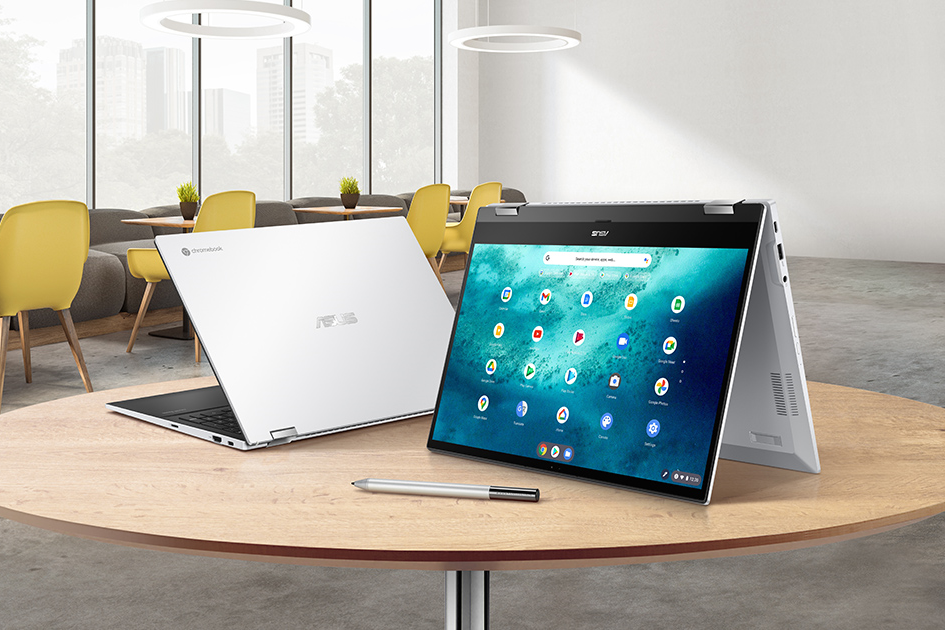
The disadvantages of a Chromebook
While Chromebooks offer many advantages, there are also some drawbacks to consider. Chromebooks are heavily reliant on an internet connection, as much of their functionality is based on web applications. Without internet, the usability of a Chromebook can be limited. In addition, Chromebooks are not compatible with many traditional software programs you might need, such as certain graphic or video editing programs. Storage capacity is often limited, although this can be compensated for with cloud storage. For users running heavy applications or doing a lot of offline work, these limitations can be detrimental.

